
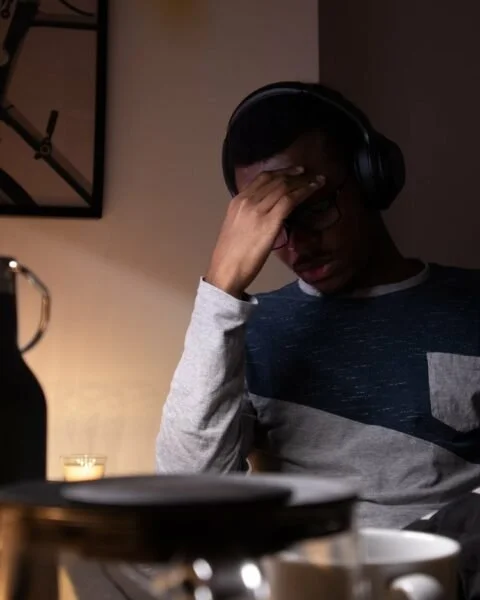
Betrayal doesn't just hurt. It rearranges things. Trust is the floor a relationship stands on, so when it cracks, you're not only grieving what your partner did. You're questioning what was real, what you missed, and whether your own judgment can be trusted. That's why betrayal hits so much harder than people expect it to. If you're in it right now, you're probably cycling through confusion, rage, grief, and numbness, sometimes within the same hour. That's not you falling apart. That's what betrayal trauma actually looks like.
And underneath it all is the question you can't stop asking: what now? Here's what I want you to know before we go further. You do not have to answer that question today. Whether you stay or go, the work in front of you is the same, and it starts with you.
Stop Pretending You're Fine
The first instinct for a many people is to minimize. Don't make it a bigger deal than it is. Don't blow up the family. Don't be the difficult one.
So they go quiet. They keep it in. That never works, and I say that as someone who has watched it not work for fifteen years. Feelings you refuse to look at don't dissolve. They build pressure until they come out somewhere else, in your sleep, in your body, in a fight about something small that was never small. Name it, at least to yourself, in plain language. I was betrayed. It hurt me. I'm not okay.
Then, if it's safe to do so, say it to your partner. Not to punish them, and not to get a confession. Say it so the truth is in the room, where it can actually be dealt with. That conversation goes one of two ways. Sometimes it becomes the beginning of real repair. Sometimes it makes it very clear that this relationship isn't safe for you. Both of those are useful. Silence gives you neither.
Let Yourself Feel All of It
Once you've named what happened, let the feelings come. You're going to feel things you'd rather not: fury, humiliation, longing for the person who hurt you, guilt for still wanting them. Some days you'll feel fine and then wonder if that means you didn't care enough. None of that means something is wrong with you. Give the feelings names as they show up. Anger. Grief. Fear. Shame. It sounds small, but naming an emotion takes some of the charge out of it. Say them out loud to someone you trust if that helps. The goal isn't to feel better fast. It's to stop fighting yourself while you feel bad.
Don't Do This Alone
Betrayal is isolating by design. It happened in private it feels humiliating to say out loud, and the person you'd normally lean on is the person who caused it. So people go it alone. Then they carry the whole weight of it in their own head, where it gets heavier. You don't need to tell everyone. Tell one or two people who have earned it. A sister, a best friend, a therapist. What you're looking for is someone who can sit with you without rushing you toward a decision. If the people around you keep telling you what you should do, that's not support. That's pressure. If you don't have that person right now, that's worth saying out loud too, and it's a reason to get professional support sooner rather than later.
Take Care of the Basics First
Self-care has been marketed into meaninglessness, so let's be practical. In the aftermath of betrayal, your nervous system is running hot. That affects your sleep, appetite, concentration, and ability to think clearly about anything, including your relationship.
Start with the floor, not the ceiling:
Sleep. If you're lying awake replaying it, build a wind-down routine. A warm bath, gentle stretching, a few minutes of slow breathing. Get your phone out of the bed.
Food and movement. Eat something regularly, even when you don't want to. Walk. You're not chasing fitness goals; you're discharging stress.
Cry when you need to. It's a release, not a collapse.
Rest without guilt. Doing nothing is a legitimate use of an evening right now.
None of this fixes what happened. It keeps you steady enough to make decisions you won't regret.
Give Yourself Room to Decide
Betrayal creates enormous pressure to know right now whether you're staying. From your partner, from friends who have opinions, and loudest of all, from yourself. You are allowed to take your time. Recovery from betrayal isn't a straight line, and it isn't quick. Some weeks you'll feel like yourself again. Then a song or a date on the calendar knocks you back, and you'll think you've lost all your progress. You haven't. That's how this goes. What matters is that you keep coming back to yourself: what you need, what you can live with, what you're no longer willing to accept.
When to Bring in Support
There's a point where this stops being something you can think your way through. If you're stuck in the replay, if the anxiety has moved into your body, or if you and your partner keep having the same conversation without getting anywhere, that's the moment for professional help. At Unload It Therapy, we help individuals and couples work through the aftermath of infidelity and other betrayals. You don't have to have your answer before you reach out.